
Seasonal Island Travel: Making the Most of Your Getaway
Practical, season-aware planning for island travel—weather, events, activities, packing and booking strategies to maximize every getaway.
Seasonal Island Travel: Making the Most of Your Getaway
Plan island trips that match weather, events and activity cycles—so every day of your escape is intentionally timed, well-packed and wildly memorable.
Introduction: Why Seasonality Changes Everything
What “seasonal” really means for island trips
Seasonality on islands affects four practical things: weather patterns, visitor volume, the calendar of local events and the availability (and price) of activities and accommodations. When you plan around seasons, you avoid disappointment—closed dive shops, cancelled ferries or monsoon sweeping in mid-itinerary—and you unlock experiences only available at certain times (mating turtle walks, flower festivals, whale migrations).
Who this guide is for
This guide is for travelers who want to make choices based on purpose. Are you chasing sun and surfing swells? Looking for low-cost off-season calm? Or craving a cultural festival and local food markets? You’ll find checklists, booking strategies and seasonal itineraries with real-world logistics to match.
How to use the guide
Read start-to-finish for a holistic plan, or jump to sections: weather planning, events and festival calendars, activity-season mapping, booking strategies, packing and health. Throughout, you’ll find linked resources to deepen specific skills—like packing smarter (our Essential Packing List) and scoring last-minute winter deals (How to Secure Last-Minute Deals).
Reading Weather Patterns: Timing Your Visit for the Forecast
Understand macro vs micro climates
Islands often have microclimates—wet windward slopes and dry leeward beaches. Start by checking long-term climate normals (30-year averages) for rainfall, temperature and winds, then drill down to local forecasts for the week before you travel. Microclimates matter if you want a specific beach or to hike a ridge trail: the same island can offer sun on the west side and rain on the east.
Storm seasons, hurricane windows and safe planning
Know the official storm season windows for your destination and add buffers. If your trip overlaps the tail of a hurricane season, book flexible lodging and keep an eye on travel insurance that explicitly covers named storms. For critical real-time advice, sign up for local weather alerts and carrier notifications—an extra text during a developing event can save a day of scrambling.
Wind, swell and activity timing
Activities like snorkeling, sailing and surfing depend on wind and swell cycles. Long-term wind patterns tell you where conditions will be glassy (great for snorkeling) or windy (great for kitesurfing). Before you book a surf or boat trip, consult local operator schedules and tide charts. For tools that help plan activity windows, see our notes on packing and gear recommendations like portable coffee tools for early starts (Essential Coffee Tools).
Local Events: When to Go for Festivals, Food & Culture
Festival calendars and how they change the experience
Local festivals turn ordinary island towns into focal points of culture—parades, processions, markets and late-night food stalls. Use festival calendars to decide whether you want buzz or quiet. Planning for a festival means lodging sells out early; consider booking refundable rooms or using discount aggregators. If food is your anchor, read our guide on artisanal community flavors to plan food-centric trips (Artisanal Food Tours).
Sporting events, regattas and seasonal crowds
Major events—sailing regattas, triathlons, or island marathons—affect transport, vendor pricing and restaurant availability. These events can be joyful (street food, live music) or congesting. If attending, plan transport early, expect higher prices and book activities around the event schedule to avoid missing out.
Small, repeatable rituals that create the best memories
Not every special moment is a headline festival. Night markets, weekly artisanal fairs and weekly cultural shows often occur year-round but flourish during certain seasons. Track recurring events in local tourism calendars and community pages; these are often the most authentic and easiest to join last-minute without huge crowds.
Activities by Season: Choosing What to Do—and When
Summer: water sports, long days and early bookings
Summer typically offers the warmest water and the longest daylight—perfect for snorkeling, diving and multi-day sailing. Because demand spikes, boat charters and dive trips book early. Use strategic booking windows and look for discount codes when possible; our round-up of travel discounts can help keep costs down (Top Discount Codes for 2026).
Shoulder seasons: the best value and lower crowds
Spring and autumn shoulder seasons often hit the sweet spot—pleasant weather, fewer crowds and lower prices. Activities may still run on a reduced schedule, but you’ll usually find local operators happy to accommodate flexible dates. For budgeting and saving hacks, read about finding hidden discounts in everyday spending (Finding Hidden Discounts), and apply the same mindset to travel deals.
Winter: big storms or big savings—know the tradeoffs
Winter may bring storms in some regions, but in others it’s prime whale-watching season or cooler hiking weather. For last-minute winter escapes and deal tactics, consult tactical guides like How to Secure Last-Minute Deals on Popular Winter Getaways. Decide whether you prefer guaranteed sunshine (and higher prices) or lower prices with a higher chance of weather disruptions.
Booking Strategies: When to Reserve, How to Save, and Where to Be Flexible
Layered booking: flights, lodging, excursions
Book flights first for best routing, then lock lodging with free-cancellation policies. Reserve must-do excursions early (diving, guided hikes, festival seats). For everything else, create a prioritized list: must, nice-to-have and backup options. Consider bundling deals but keep flexibility—bundles can be cheaper but inflexible if weather forces changes. If managing multiple travel subscriptions and apps, pick only the ones you’ll actually use—our tips on managing subscriptions can simplify the process (Mastering Your Online Subscriptions).
Timing purchases for the best prices
Purchase windows differ: international flights often price up to around 2–6 months out for best seats; island lodgings for peak season should be booked 3–9 months ahead. For last-minute deals, monitor discount channels and code aggregators to snag offers when operators release unsold inventory (Top Discount Codes).
Insurance, cancellations and the small print
Always read cancellation policies and consider travel insurance that covers weather and supplier insolvency. If you’re traveling during a season with elevated weather risk, choose plans that cover named storms and pandemic-related disruptions. Keep screenshots of booking confirmations and vendor policies; these are invaluable when filing claims or negotiating refunds.
Packing & Gear: Season-Specific Essentials
Core packing strategy
Start with the activities you plan: snorkeling requires reef-safe sunscreen and a rashguard; hiking needs layered breathable clothing and gaiters. Build a capsule wardrobe that mixes function and laundry-friendly pieces to avoid overpacking. For a complete starter list, consult the Essential Packing List we reference throughout our site.
Tech, comfort and creature comforts
Bring a small medical kit, waterproof phone case and a power bank sized for your devices. If you’re an early-morning coffee person for sunrise hikes or boat trips, pack compact coffee tools to keep morale high on the first cold morning (Essential Coffee Tools).
Seasonal kit checklist
For summer, prioritize reef-safe sunscreen, snorkel gear and sun hats. Shoulder seasons need layers and a light rain jacket. Winter (in cooler islands) requires thermal base layers and waterproof hiking boots. Always include a small laundry soap sheet and a travel towel to extend outfit mileage on long trips.
Health, Safety & Responsible Travel
Staying healthy on island trips
Check vaccination recommendations and seasonal vector-borne disease risks for your destination. Pack a travel-first-aid kit and rehydrate frequently in hot climates. For nutrition and stress strategies while traveling—especially long haul flights or festival weekends—see our guide on traveling healthy (Traveling Healthy: Nutrition Tips).
Local laws, customs and safety norms
Know local alcohol rules, beach safety flags and permitted wildlife interactions. Always hire licensed guides for activities that require certification (diving, off-track hiking) and keep emergency numbers handy. If you run into vendor disputes, techniques for resolving complaints can be useful—see our practical advice on turning complaints into opportunities (Customer Complaints: Turning Challenges into Business Opportunities).
Responsible behavior and environmental ethics
Choose operators who follow sustainable practices and respect protected areas; avoid single-use plastics and use reef-safe sunscreen. If camping or using trails, apply low-impact principles so those places stay resilient for future visitors. For a helpful ethical framework, read about environmental ethics in the outdoors (The Moral Compass of Camping).
Sustainable Choices & Supporting Local Economies
Eat local, buy local, book local
Supporting local food producers and guides keeps more revenue in the community. Seek out food tours and small producers—our guide to artisanal food tours is a helpful way to find community-run experiences (Artisanal Food Tours). Eating at family-run restaurants during off-peak hours helps reduce pressure on popular venues during festivals.
Choosing operators with fair labor practices
Look for operators who publish safety and labor policies or who are part of local associations. If you plan to bring gear or supplies, consider donating to community projects instead of leaving unwanted waste behind. Before volunteering time or money, verify the project’s legitimacy; unvetted support can sometimes do more harm than good.
Small actions, big impact
Simple behaviors—refilling water bottles, using coral-friendly sunscreen and choosing public transfer shuttles—reduce your footprint. If traveling with a group, establish a compact code of conduct for minimizing waste and noise, especially during sensitive wildlife seasons.
Sample Seasonal Itineraries (3-5 Day Plans)
Spring shoulder-season: active & local
Day 1: Arrive, settle into a small guesthouse and visit a weekly market. Day 2: Morning hike on a less-busy trail, afternoon artisanal food tour (Artisanal Food Tours). Day 3: Boat trip to sheltered snorkel sites and sunset from a coastal viewpoint.
Summer peak-season: water-focused
Day 1: Settle in, arrange boat charter for Day 2. Day 2: Full-day snorkel/dive or surf session. Day 3: Early-morning fishing trip or explore a windward beach for different conditions. Book marine activities early; peak season slots go fast, and look for discount windows (Top Discount Codes).
Winter low-season: wildlife & quiet escapes
Day 1: Land, meet guide for seasonal wildlife briefings. Day 2: Whale watching or birding trip timed to migrations. Day 3: Cultural immersion—visit craft cooperatives and local eateries. For last-minute winter deals, see our tactical guide (How to Secure Last-Minute Deals).
Budgeting & Saving: Smart Money Moves for Seasonal Travel
Where to cut and where to splurge
Splurge on one or two local experiences that are unique to the season (guided wildlife tours, a festival feast). Save on flexible items—choose guesthouses over big resorts during peak events if you want to keep more budget for activities. For general coupon hunting and money-saving techniques, the everyday discount habits translate well to travel savings (Find Hidden Discounts).
Payment options and cancellation strategies
Use cards with travel protections and avoid paying full amounts to small local vendors until services are confirmed. Book refundable rates when traveling during volatile weather seasons and stagger payments to avoid large sunk costs. If you're managing group finances or changing leadership of plans mid-trip, leadership-readiness content can help you adapt (Navigating Leadership Changes).
Finding discounts and last-minute bargains
Watch for mid-week price drops and package flash sales. Sign up for local operator newsletters and follow area tourism boards on social channels. If you're agile, last-minute windows often open when operators try to fill seats; learn the art of snagging last-minute opportunities (How to Secure Last-Minute Deals).
Tools, Apps & Mindsets for Better Seasonal Planning
Which tools to use—and which to avoid
Use tide and wind apps for sea activities, a reliable weather app with hourly forecasts and a document app to store confirmations offline. Avoid over-subscribing to travel apps—manage the ones that truly add value. For help trimming digital noise, see our note on digital minimalism (Digital Minimalism).
Local intel: who to ask and where to listen
Hotel hosts, local guides and small businesses are gold mines for current conditions and event tips. If influencers or creators shaped your expectations, cross-check their recommendations with local operators—behind-the-scenes insights can clarify what's staged versus genuinely available (Behind the Scenes: Influencers).
Psychology of travel timing: pacing for enjoyment
Balance packed days with slow mornings; a rushed festival schedule can turn a highlight into stress. For mindset tips on finding travel balance, our resource on when to push and when to rest is practical and applicable (Finding Balance).
Pro Tip: Book must-do seasonal experiences 90+ days ahead for high-demand festivals or specialty wildlife tours, but keep one extra free day in your schedule for weather-related changes.
Planning Timeline Checklist
6–12 months before travel
Research seasons, set your date preferences, book primary flights and lock in any festival tickets or peak-season charters. Use this time to research local event calendars and service reviews, and to check visa or vaccination requirements.
2–3 months before travel
Reserve accommodations and book critical experiences (dive courses, specialty tours), confirm pet or home care, and begin a targeted packing list. Double-check flight routing and airport transfer options.
2 weeks to travel
Reconfirm bookings, download offline maps, print or save essential documents and scan local weather trends. If you need last-minute deals or substitution activities due to weather, this is the window to act; monitor operator communications closely.
Seasonal Comparison: Pick Your Ideal Window
| Season | Best for | Typical Weather | Events & Wildlife | Booking & Cost |
|---|---|---|---|---|
| Winter | Whale watching, quiet beaches, lower rates | Cooler, possible storms (region-dependent) | Migrations, holiday festivals | Lower prices; watch for storm cancellations |
| Spring | Hiking, flower season, shoulder pricing | Mild, variable rain in some zones | Local cultural festivals, markets | Good value; moderate bookings |
| Summer | Swimming, surfing, long daylight | Warm to hot; calm seas in many places | Major festivals, regattas | Highest demand; book early |
| Autumn | Surfing swells, shoulder-season deals | Cooling, variable winds | Harvest festivals, eco-events | Good deals; moderate activity calendars |
| Shoulder | Best overall value and fewer crowds | Mild and comfortable in many zones | Smaller local events | Lower cost than peak; good availability |
Common Pitfalls and How to Avoid Them
Overbooking your schedule
It’s tempting to cram every seasonal activity into a short trip. Resist that urge: weather delays are common and a relaxed pace yields better on-site discoveries. Keep a free “recovery” half-day to rebook missed activities or simply to rest.
Relying only on marketing content
Online photos and influencer posts show highlights but not cancellations or weather context. Cross-check their recommendations with local operators and community reviews. For a better behind-the-scenes sense of how creators shape perceptions, see our context piece (Behind the Scenes: Influencers).
Miscalculating costs during events
Festival weekends can spike prices for everything from taxis to meals. If you end up at a big event unexpectedly, keep a reserve budget and consider dining at lunch instead of dinner to reduce peak-hour costs. Learning to pivot calmly during travel is a skill that pays dividends; read about turning challenges into opportunities (Customer Complaints).
Final Checklist Before You Leave
Documents and confirmations
Passport (valid 6+ months), visas, travel insurance documents, printed confirmations for accommodations and activities, and a local emergency contact list. Store copies offline in a password-protected folder for emergencies.
Packing sanity check
Run through a day-by-day outfit and gear plan to avoid unnecessary items. Confirm specialty gear reservations (diving equipment, surfboard storage) and print receipts. Use the Essential Packing List as your baseline (Essential Packing List).
Mindset and local courtesy
Prepare to be flexible, kind and curious. Respect local rules and schedules—respect goes both ways and often leads to better, insider experiences. If you anticipate changes in who’s planning the trip, a primer on leadership changes is helpful (Navigating Leadership Changes).
FAQ
Q1: When is the best time to book for peak-season island travel?
A1: For most popular islands, book flights 2–6 months out and accommodations 3–9 months ahead for peak season. For major festivals or high-demand charters, 6–12 months is safer. If flexibility is essential, watch last-minute windows for discounts.
Q2: How do I choose between weather risk and cost savings?
A2: Identify must-do experiences and weigh their seasonal sensitivity. If a key experience is weather-dependent (e.g. whale watching), prioritize windows with historically higher success rates even if cost is higher. For non-critical trips, shoulder seasons often deliver the best value.
Q3: Are there islands that are ‘good year-round’?
A3: A few islands have stable climates year-round, but most show seasonal shifts. Even in “year-round” destinations, local microclimates can change daily. Use local operator intel and weather tools to pick the best days.
Q4: How can I support local communities during peak season?
A4: Choose local guides, dine at family-run restaurants and buy directly from artisans. Avoid monopolizing resources like fresh water or peak-time staff by visiting at off-hours when possible. Consider reading about artisanal tours to find ethical options (Artisanal Food Tours).
Q5: What’s the single best planning habit for seasonal travel?
A5: Build a flexible plan with one “must-do” booked early and one open day for contingencies. This gives structure without the brittleness that turns weather into a disaster.
Related Topics
Alex Navarro
Senior Island Travel Editor
Senior editor and content strategist. Writing about technology, design, and the future of digital media. Follow along for deep dives into the industry's moving parts.
Up Next
More stories handpicked for you

Island Lifestyle: Combining Local Culture with Modern Living

The Best Water Sports for Outdoor Adventures on Islands

The Island Effect: Why Local Culture Impacts Housing Tenure

How to Chase a Total Solar Eclipse: Where to Go, When to Book, and What to Pack

Island Festivals: Uncovering Unique Cultural Celebrations
From Our Network
Trending stories across our publication group
Winter Is Coming: How to Prepare for Transit Delays during Extreme Weather

Innovative Wearables: Enhancing Visitor Experience at Attractions

Crafting Your Own Personal Travel Soundtrack: Mapping Musical Journeys
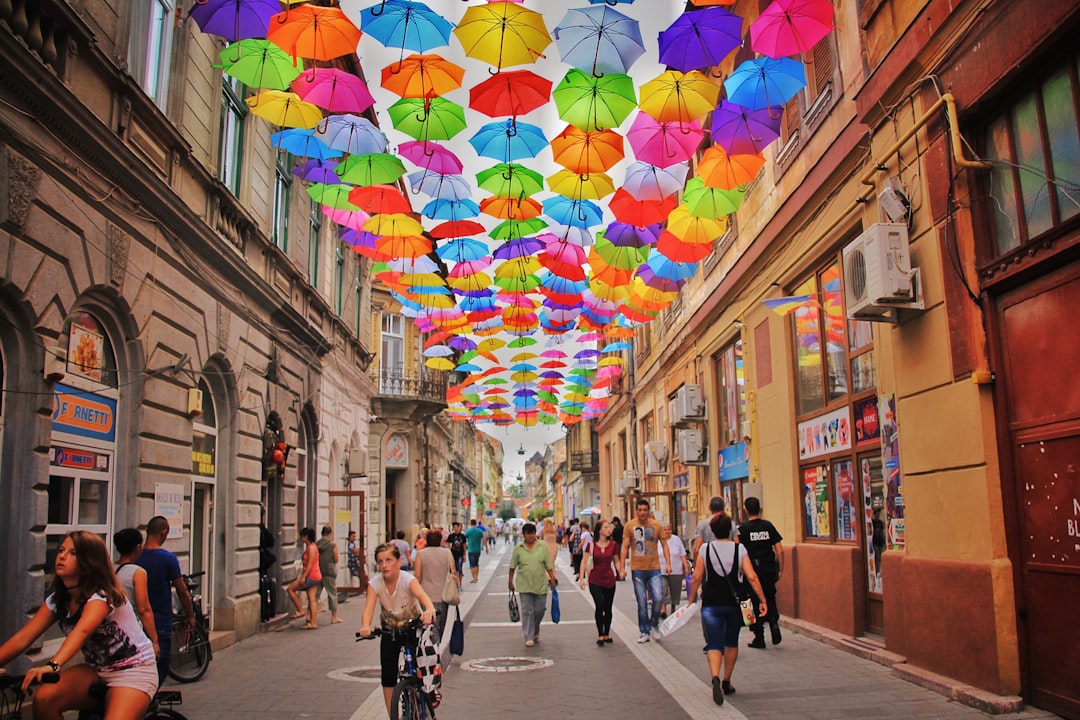
How Capital Cities Honor Their Cultural Icons: Festivals and Commemorations

The Art of Fishing in the Rugged Waters of Alaska: Techniques and Traditions
